
7 Signs Your AC Needs a Thorough Cleaning
7 Signs Your AC Needs a Thorough Cleaning
You might not realize it, but your AC could be screaming for a thorough cleaning, and you might be missing the signs. Have you noticed any strange odors when it’s running, or perhaps the airflow seems weaker than usual? Maybe your energy bills have suddenly spiked, or you hear unfamiliar noises coming from the unit. Visible dust and debris on the vents or filters are additional red flags. Ignoring these symptoms can lead to bigger issues down the line, so let’s investigate what these signs mean and why they shouldn’t be overlooked.
Unpleasant Odors
If your AC emits strange or musty odors, it’s a clear sign it needs a thorough cleaning. These unpleasant smells often indicate mold growth or bacterial contamination within your system. When moisture accumulates in your AC, it creates a perfect environment for mold to thrive. As air passes through, it picks up mold spores, which then circulate throughout your home. This not only causes a foul odor but can additionally affect your indoor air quality, potentially leading to health issues such as allergies or respiratory problems.
Bacterial contamination is another common culprit behind bad smells. Bacteria can build up on the evaporator coils, in the condensate drain, or on other internal components of your AC unit, producing a variety of unpleasant odors. If you notice these smells, it’s important to address them promptly to prevent any further contamination or potential health risks.
To tackle these issues, you’ll need to clean or replace the air filters, inspect for mold growth, and possibly use a disinfectant solution on the internal components. Regular maintenance and cleaning can help prevent these problems and keep your AC running efficiently and odor-free.
Reduced Airflow
Beyond unpleasant odors, reduced airflow is another clear indicator that your AC needs a thorough cleaning. When you notice that the air coming out of your vents feels weaker than usual, it’s a sign that something is obstructing the system. Blocked vents and dirty filters are often the culprits. Over time, dust and debris accumulate in the filters, restricting the flow of air and making your AC work harder to push air through.
Dirty filters aren’t just a minor inconvenience; they can greatly impact your AC’s performance. If the filters are clogged, the air can’t circulate properly, leading to uneven cooling and uncomfortable indoor temperatures. Blocked vents also contribute to reduced airflow. When vents are obstructed by furniture, curtains, or accumulated dust, the air has fewer pathways to move through, making your system less efficient.
To tackle reduced airflow, start by checking and cleaning or replacing your filters regularly. Make sure that all vents are clear of obstructions and clean them periodically. Keeping these components clean will help maintain excellent airflow and improve your AC’s overall efficiency. Ignoring these signs can lead to more significant issues and a less comfortable home environment.
Increased Energy Bills
To guarantee a sudden spike in your energy bills is a strong indication that your AC might need a thorough cleaning. When your AC system has blocked vents or dirty filters, it has to work harder to cool your home. This extra effort means it uses more electricity, leading to higher energy bills. If you notice your bills are climbing without a change in your AC usage, it’s time to check your system.
Blocked vents restrict the flow of air, making it difficult for your AC to circulate cool air efficiently. This inefficiency forces the system to run longer cycles, consuming more energy. Similarly, dirty filters can obstruct airflow and trap dust and debris. When filters are clogged, your AC’s fan motor has to work overtime to push air through, which also increases energy consumption.
To address this, regularly inspect and clean your AC’s filters. Replace them as recommended by the manufacturer, usually every one to three months. Ensure that furniture, curtains, or other objects do not block vents. Keeping your AC clean and well-maintained can help you avoid unnecessary energy costs and ensure your home stays comfortable.
Strange Noises
Uncommon sounds emanating from your AC unit often indicate that it needs a thorough cleaning. If you hear rattling, buzzing, or grinding noises, it could suggest loose parts within the unit. These sounds might occur since dirt and debris have accumulated, causing components to shift out of place. Regular cleaning can help prevent these parts from becoming loose and creating unwanted noises.
Another common issue is blocked vents. When vents are obstructed, air can’t flow properly through the system, leading to the unit working harder. This increased strain can result in unusual sounds, such as whistling or hissing. Ensuring that vents are free from dust and debris can reduce these noises and improve the efficiency of your AC.
Additionally, a dirty AC unit can lead to the buildup of grime on the fan blades and motor, which may produce a squealing sound. Cleaning these components regularly can help maintain smooth operation and reduce noise levels. By addressing these issues, you can prolong the lifespan of your unit and ensure it runs quietly and effectively. Remember, keeping your AC clean not only reduces strange noises but also improves overall performance.
Visible Dust and Debris
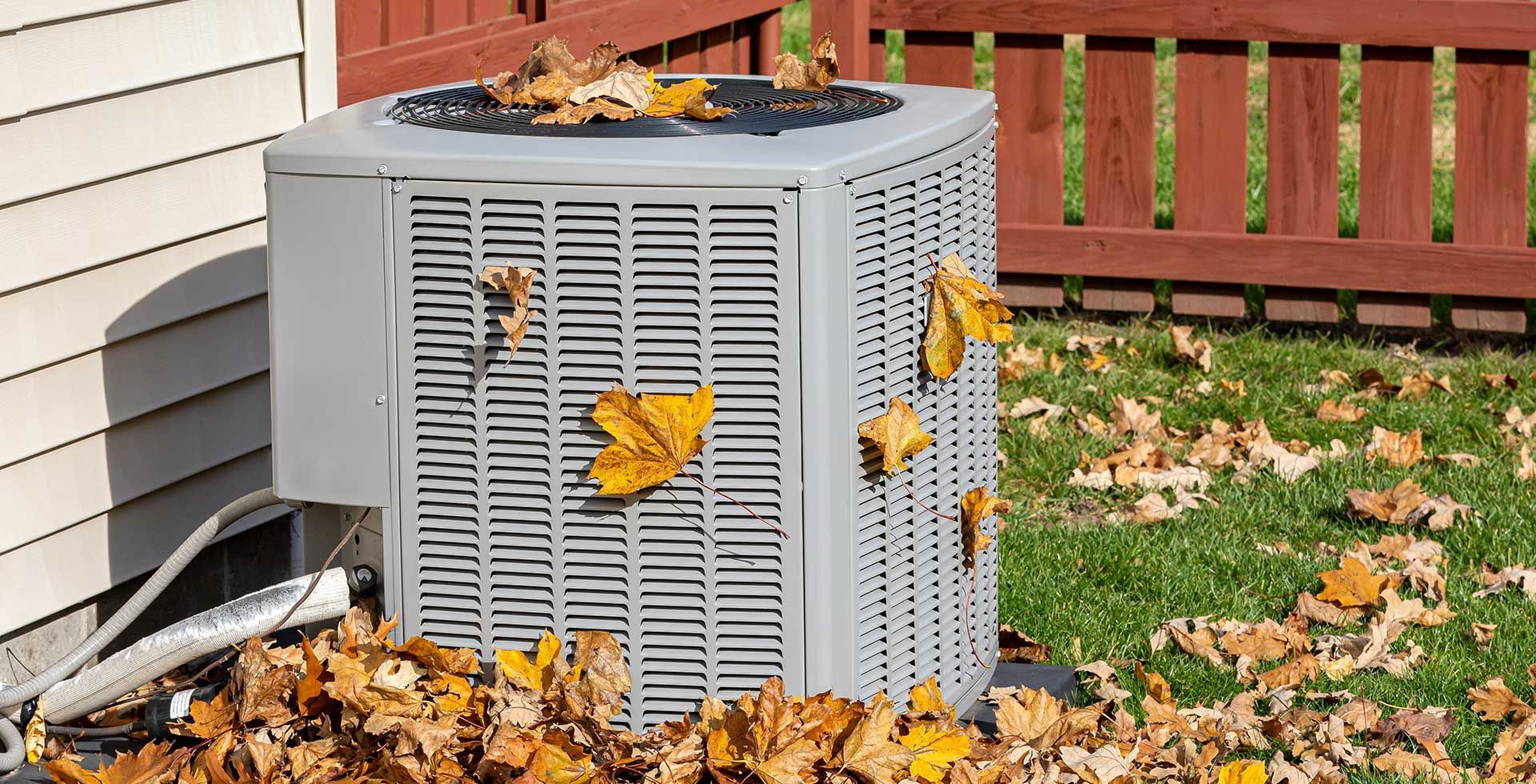
Moreover, visible dust and debris on and around your AC unit are clear signs that it needs a thorough cleaning. When you notice dust accumulating on the vents, filters, or the unit itself, it’s a red flag that your system isn’t operating efficiently. This buildup can obstruct airflow, forcing your AC to work harder and potentially leading to higher energy bills. More crucially, dust and debris can greatly impact indoor air quality, which can be a serious health concern.
Breathing in dust-laden air can aggravate allergies, asthma, and other respiratory conditions. If anyone in your household suffers from these issues, maintaining a clean AC unit becomes even more vital. When the AC circulates dirty air, it spreads contaminants throughout your home, reducing the overall air quality. Regular cleaning helps make sure that your AC filters out pollutants effectively, providing cleaner, healthier air.
To address this, make it a habit to inspect and clean your AC unit regularly. Remove any visible dust and debris from the vents and filters. If the buildup is extensive, consider hiring a professional for a thorough cleaning. Keeping your AC clean not only improves air quality but also extends the life of the unit, ensuring it runs smoothly and efficiently.
Frequent Cycling
When your AC frequently cycles on and off, it’s a clear indication that it needs a thorough cleaning. This cycling, known as short cycling, can drastically reduce your unit’s efficiency, making it less effective at cooling your home. Short cycling occurs when the AC turns on and off rapidly without completing a full cooling cycle. This isn’t just annoying; it’s a sign that something is wrong with your system, often because of dirt and debris.
A dirty unit can’t operate efficiently. Dust and grime can clog the filters, coils, and other components, making it harder for the AC to maintain the desired temperature. When the system is clogged, it works harder, leading to frequent cycling. This constant starting and stopping not only wastes energy but also puts extra strain on your unit, which can lead to more serious issues down the line.
To address short cycling, start by checking and cleaning or replacing your air filters. If the problem persists, it might be time to clean the evaporator and condenser coils. Regular maintenance can keep your unit running smoothly, improve its efficiency, and extend its lifespan. Don’t ignore frequent cycling; it’s your AC’s way of telling you it needs some attention.
Warm Air Output
Another clear sign your AC needs a thorough cleaning is when it starts blowing warm air instead of cool. This issue can be frustrating, especially during hot weather. One common cause of warm air output is blocked vents. When vents are obstructed, the airflow in your AC system becomes restricted, preventing it from cooling your home effectively. You should check all the vents in your house to make certain they are not blocked by furniture or other objects.
Dirty filters are another culprit behind warm air coming from your AC. Over time, filters can become clogged with dust, dirt, and other debris. When this happens, the air can’t flow freely through the system, causing it to struggle and produce warm air. Replacing or cleaning the filters regularly can help maintain your AC’s efficiency.
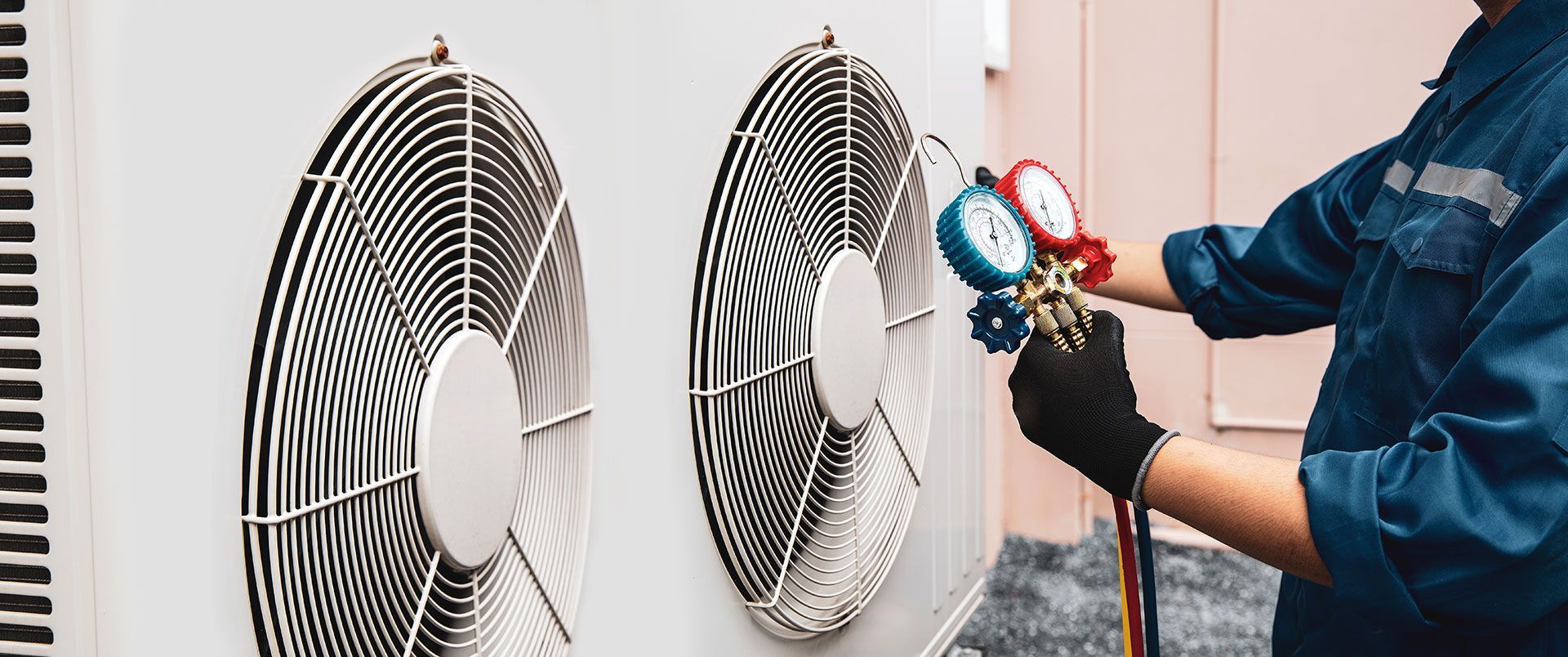
Additionally, a dirty evaporator coil can lead to warm air output. The coil is responsible for absorbing heat from the air inside your home. If it’s covered in dirt and grime, it can’t do its job properly. Regular maintenance, including cleaning the evaporator coil, is vital for keeping your AC in good working order. By addressing these issues, you can make sure your AC provides the cool air you need.
Conclusion
If your AC is acting up with strange odors, reduced airflow, or skyrocketing energy bills, it’s screaming for a deep clean. Don’t ignore the signs—strange noises, visible dust, frequent cycling, and warm air output all point to a system in distress. Regular maintenance isn’t just a good idea; it’s crucial. By keeping your AC clean, you’ll guarantee it runs efficiently, keeps your air fresh, and extends its lifespan. Don’t wait until it’s too late!
Frequently Asked Questions
How Often Should My AC Unit Be Professionally Cleaned?
You should have your AC unit professionally cleaned at least once a year. Seasonal maintenance, including filter replacement, guarantees peak performance and efficiency. For best results, schedule it before peak usage seasons.
Can a Dirty AC Affect Indoor Humidity Levels?
Yes, a dirty AC can affect indoor humidity levels. Without regular filter replacement, moisture buildup can cause mold growth. This impacts air quality and makes your home feel more humid and uncomfortable.
What Health Issues Can Arise From a Dirty AC System?
Imagine your AC as a ticking time bomb for your health. You can face respiratory infections and allergy triggers from a dirty system. Don’t let your AC become a silent enemy; keep it clean.
Are There DIY Methods for Cleaning an AC Unit Safely?
Yes, you can safely clean your AC unit yourself. Start with filter replacement to guarantee clean airflow. For coil maintenance, gently brush away dirt and debris or use a coil cleaner. Always follow the manufacturer’s guidelines.
How Does a Dirty AC Impact the Unit’s Lifespan?
Did you know a dirty AC can reduce energy efficiency by up to 15%? It forces the unit to work harder, causing increased component wear and shortening its lifespan. Keep it clean to guarantee peak performance and longevity.